November 11, 2026
Selecting a boundary enclosure for your home transforms outdoor living areas while establishing dependable security, secluded privacy, and curb appeal. Because every residential parcel features distinctive topography, soil conditions, and sun exposure, settling upon appropriate building supplies requires careful consideration. Collaborating with a reliable fence contractor allows homeowners to navigate municipal zoning codes, wind exposure challenges, and architectural aesthetics without unnecessary stress during initial planning.
Every category of enclosure possesses distinct physical characteristics, strengths, and long-term upkeep obligations. Whether your household focuses primarily on complete seclusion, decorative boundary enhancement, or keeping energetic animals safe inside your yard, understanding functional differences ensures your investment remains resilient and attractive.
Evaluate Natural Wood for Timeless Charm
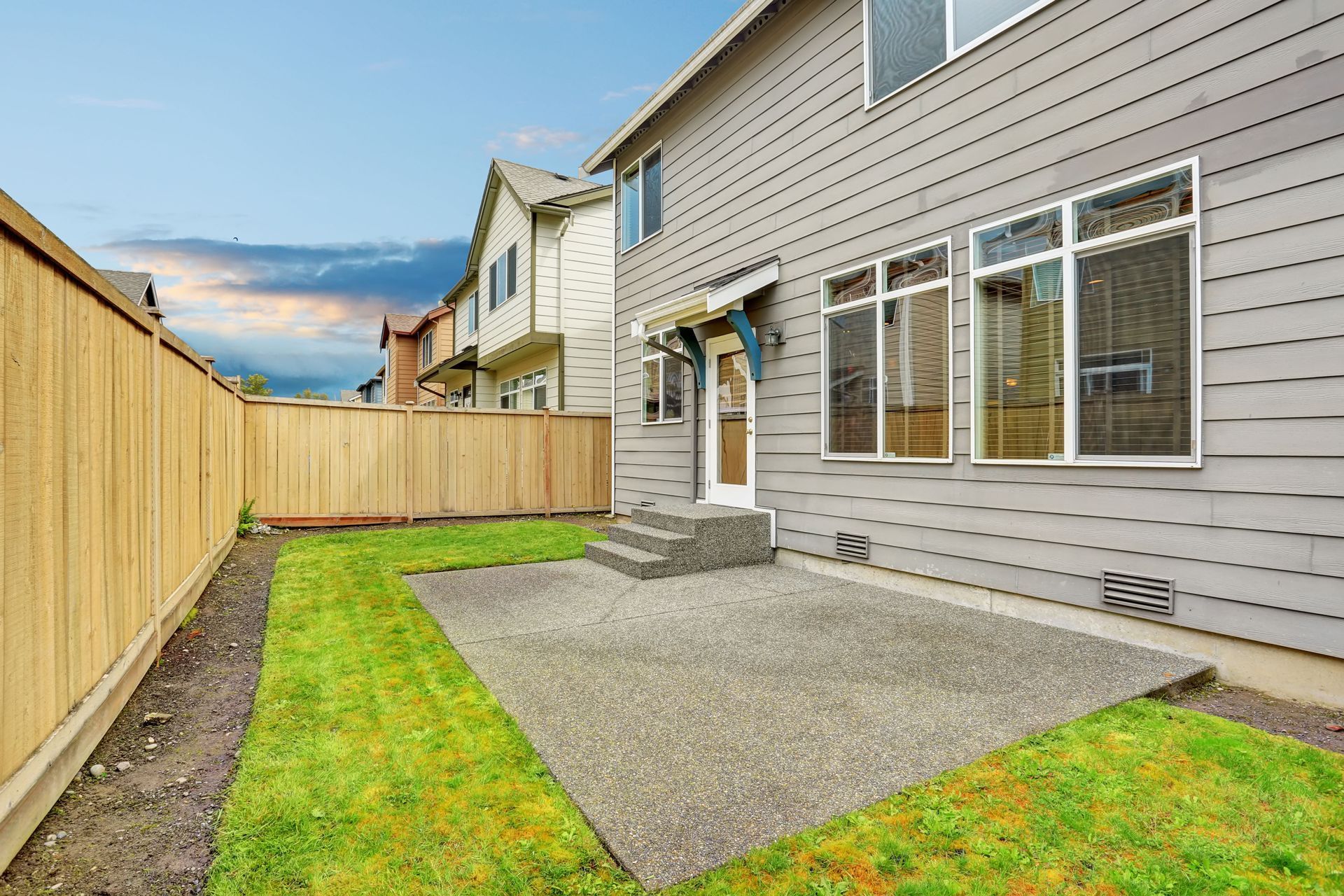
Natural timber stands as an enduring favorite among homeowners who desire organic warmth, traditional visual harmony, and classic rustic personality. Cut lumber accommodates an impressive variety of custom layout choices, extending from spaced pickets to full privacy panels that obstruct sightlines from adjacent roadways. Clear sealants, semi-transparent stains, and solid paints offer complete stylistic freedom, enabling families to coordinate boundary walls with exterior house trim, detached sheds, and established garden landscapes.
Regardless of its undeniable visual grace, natural timber calls for consistent seasonal attention to counteract moisture intrusion, boring insect infestation, and surface decay. Applying water-repellent stains periodically shields soft organic fibers against destructive sun exposure, heavy rainfall, and damp weather conditions. Consulting a trusted fence contractor assists in deciding whether cedar, redwood, or treated pine matches your local ground conditions while minimizing the likelihood of sudden twisting, bowing, or cupping.
Aside from its visual appeal, natural wood delivers acoustic absorption benefits, which help reduce irritating neighborhood echoes and ambient traffic noise along busy residential avenues. Whenever individual pickets or horizontal stringers sustain physical harm from fallen tree limbs or lawn equipment, caretakers can replace damaged components easily without tearing out intact fence lines.
Consider Modern Vinyl for Simple Upkeep
Engineered synthetic materials present an attractive alternative for busy families desiring pristine boundary lines without repetitive sanding, staining, or painting chores. Fabricated from rigid polyvinyl compounds, these engineered sections resist moisture rot, rust, flaking, and destructive pest intrusion through scorching summer heat and bitter cold snaps. An occasional wash using regular garden hoses and gentle household soap clears away airborne dust, moss, and lawn clippings, maintaining bright finishes without reapplying chemical preservatives.
According to This Old House, vinyl fencing requires very little maintenance and can last up to 20 years. This resilience establishes synthetic panels as an attractive choice for active households seeking enduring seclusion without dedicating summer weekends to extensive board treatments. Advanced fabrication techniques also produce natural wood-grain textures, rich variegated hues, and neutral modern colors that complement contemporary residential developments seamlessly.
Working with an experienced fence contractor guarantees that vinyl support posts receive solid footing inside subterranean concrete foundations. Correct anchoring prevents expansive panels from tilting during intense wind events while preserving straight lines along rolling turf. Because synthetic components interlock snugly, they form solid visual barriers that completely block outside views into patios, pools, and recreational play zones.
Select Ornamental Aluminum for Lasting Security
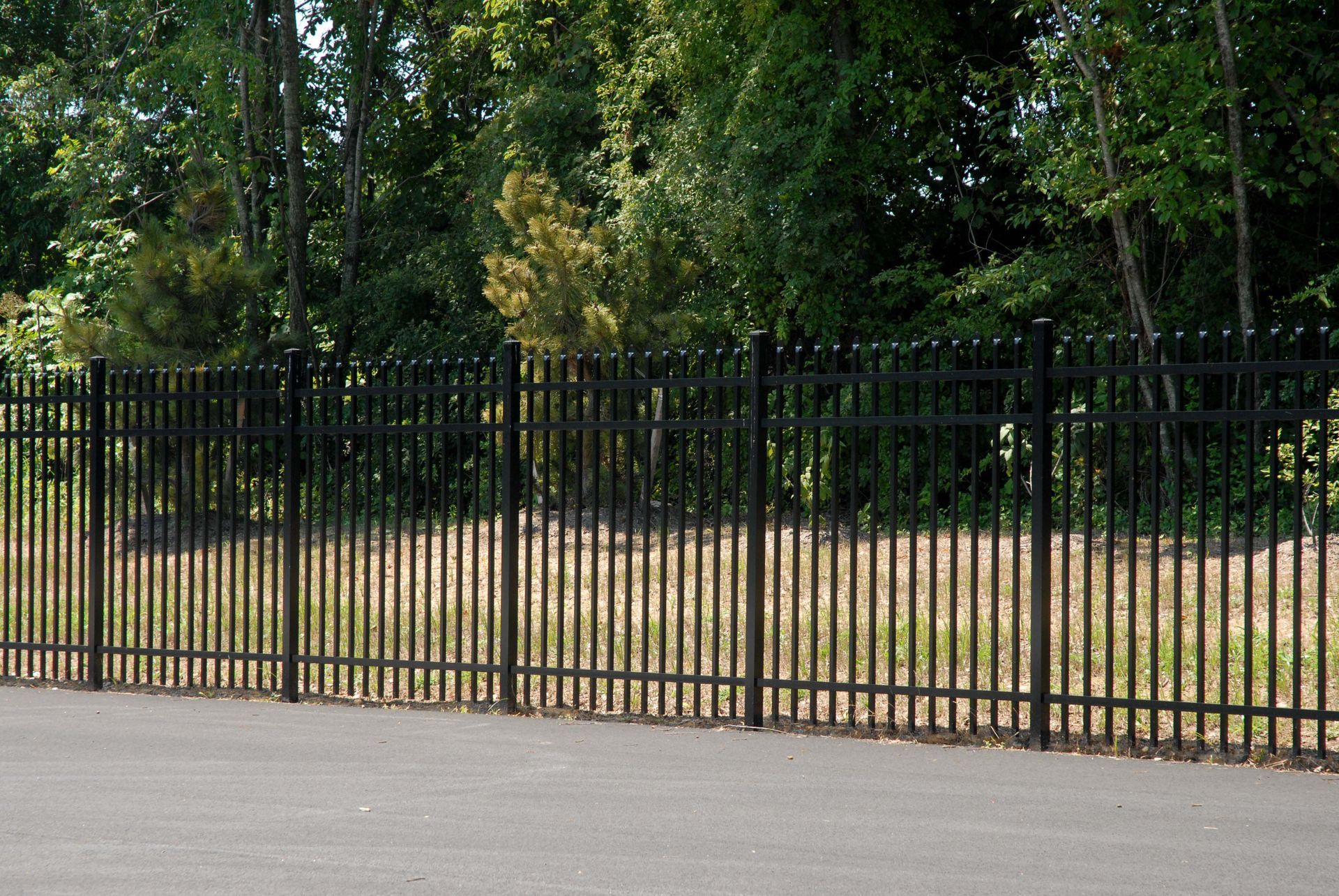
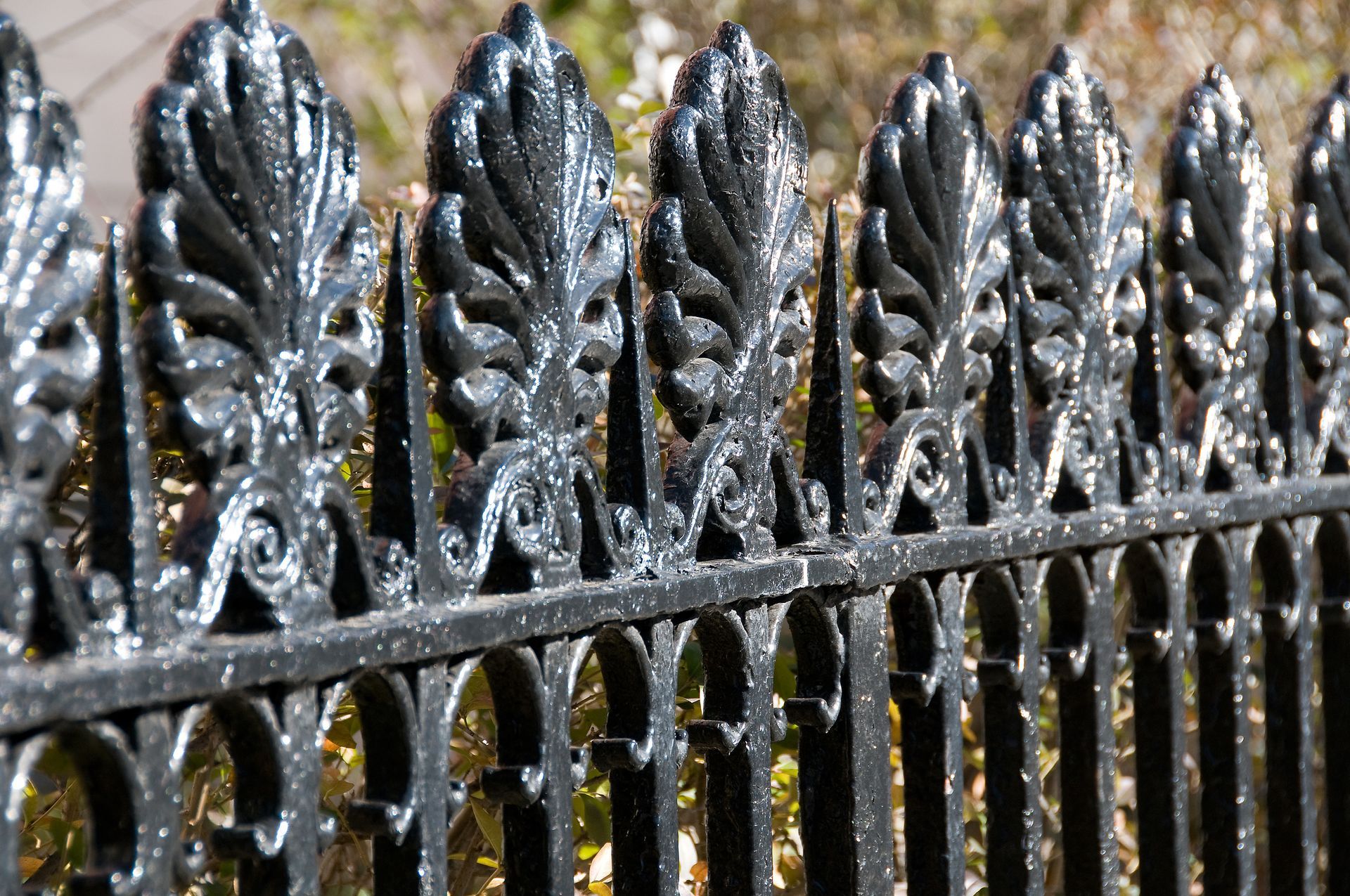
Ornamental metal brings stately elegance and timeless structural dignity to private boundaries while framing panoramic outdoor vistas with clean lines. Fabricated aluminum mirrors the distinguished appearance of historic wrought iron enclosures without the persistent risks of flaking, severe surface oxidation, or heavy rust damage. Factory-applied powder coatings protect every spindle and crossbar from high humidity, swimming pool splash zones, and corrosive atmospheric precipitation.
Because ornamental metal designs incorporate spaced vertical pickets, they preserve sweeping sightlines across manicured gardens, forested lots, and distant horizon views. This transparent quality makes ornamental aluminum exceptionally popular surrounding swimming facilities, front yard approaches, and private neighborhood common areas where visual observation remains paramount for safety.
Relying on a capable fence contractor guarantees precise post positioning and level horizontal rails, which remain critical for the trouble-free operation of security latches and wide equipment gates. Skilled positioning ensures vehicular gates and pedestrian walkways swing freely without dragging across lawns or scraping stone entry paths.
Explore Chain Link for Practical Boundaries
Woven galvanized steel fabric delivers budget-friendly containment, perimeter demarcation, and reliable security across properties of all shapes and sizes. Its interwoven mesh layout creates a resilient, impact-resistant barrier capable of managing active dogs, preventing neighborhood trespassing, and defining property borders clearly without overwhelming residential budgets. The open diamond weave ensures uninhibited wind flow and natural sunlight distribution across lush garden beds and landscaped lawns.
Modern manufacturing improves traditional steel wire through durable color coatings, widely manufactured in rich black, forest green, and earthy brown finishes. Extruded vinyl coatings seal internal steel strands from damp turf, standing puddle water, and ground salts, extending component life while eliminating metallic glare. These understated dark colors allow the boundary to blend naturally into background hedges, evergreen trees, and dense property lines.
Partnering with an adept fence contractor guarantees that top rails, corner terminal posts, and lower tension cables remain tight, rigid, and balanced. Professional tensioning stops fabric from bowing or loosening over time, making it impossible for pets to push under bottom edges or create dangerous gaps near gate latches.
Assess Composite Panels for Weather Defense
Formulated from dense combinations of reclaimed lumber particles and recycled polymer compounds, composite fencing represents advanced exterior material engineering. These solid boards resist splintering, surface cracking, deep moisture absorption, and ultraviolet fading, making them exceptional performers in harsh climates subject to torrential rains or scorching sun. Homeowners enjoy the deep, rich texture of organic hardwood alongside the low-maintenance resilience of modern industrial manufacturing.
Composite systems offer absolute visual privacy thanks to tongue-and-groove construction that interlocks without leaving unsightly gaps between adjacent boards. The dense structural mass of composite material functions as an acoustic barrier, absorbing irritating street sounds and creating a serene, quiet retreat within busy neighborhoods. While initial investment costs sit higher than raw lumber alternatives, the complete absence of ongoing paint, stain, or preservative expenditures offsets that initial expense over the lifespan of the installation.
Enlisting a dependable fence contractor proves critical during composite panel installation because dense composite boards carry substantial physical weight. Solid framing, reinforced post systems, and heavy-duty hardware keep the entire boundary rigid, ensuring sections resist severe wind pressure without leaning or sagging out of square.
Review Local Climate for Structural Durability
Severe climate patterns and local seasonal conditions dictate how various building components endure over extensive operational timelines. Properties exposed to deep ground freezing, expansive clay soils, or sustained dampness require specialized post installation methods and corrosion-resistant fasteners. Broad open terrain subject to strong gusting winds demands thicker post walls, reinforced gate hardware, and deeper concrete footings to counteract ongoing lateral wind pressures.
Parcel grade and yard slope also impact proper material selection, since dramatic elevation changes require either rackable panels or customized step-built wood fencing. Researching neighborhood zoning setbacks, utility right-of-way easements, and homeowner association guidelines eliminates boundary disputes and prevents expensive relocation orders later on. Consulting a qualified fence contractor during early layout planning ensures code compliance while matching suitable fencing materials to local soil conditions.
Thorough upfront assessment prevents premature rot, rust, or structural shifting, guaranteeing that your finished boundary enhances overall curb appeal and boosts property equity.
Reach out to Hammond Fence Company of Indiana Inc today to consult with a dedicated fence contractor who will help you design, build, and enjoy the perfect residential boundary.