July 6, 2026
The profession of a fence contractor plays an important role across residential and commercial properties. The work involves planning, installing, and maintaining fencing systems that support privacy, property boundaries, safety, and controlled access. A strong fence contractor develops skills through a combination of hands-on experience, material knowledge, and exposure to a wide range of project types. Key areas that shape professional growth include training, field experience, specialization, safety practices, business operations, and adaptability in the field.
In many cases, the day-to-day nature of the work also requires attention to changing site conditions and project-specific requirements. Each property presents its own layout considerations, which means planning and preparation are a consistent part of the process. Over time, this steady exposure to different environments helps a fence contractor build familiarity with how fencing systems are applied in both residential and commercial settings.
Learning Core Techniques Through Foundational Skills
Many fence contractors begin by learning core construction skills such as measuring, layout planning, material handling, and installation techniques. These foundational skills are often developed through hands-on work and structured learning environments where practical application is emphasized. Understanding how different fence systems function and how materials behave under varying conditions is essential for consistent results across projects.
In addition to technical ability, a fence contractor develops familiarity with site preparation, basic structural principles, and safe equipment use. Exposure to real-world installation environments helps build confidence and improve problem-solving skills when working on residential and commercial properties.
As these foundational skills develop, repetition plays a major role in reinforcing accuracy and efficiency. Tasks such as marking boundaries, setting posts, and aligning materials become more refined with practice. Over time, these smaller technical details contribute to a smoother overall workflow during installation projects.
There is also a natural progression in understanding how different steps in the installation process connect with one another. From initial layout to final adjustments, each phase builds on the previous one, helping a fence contractor develop a more complete understanding of how fencing systems come together on-site.
Building Real-World Application Through Practical Experience
Practical experience is a major factor in developing proficiency in fence installation and repair. Working on residential properties helps a fence contractor understand common layout needs, privacy requirements, and aesthetic preferences. Commercial projects often introduce larger-scale planning, property perimeter considerations, and higher durability requirements.
Over time, a fence contractor refines the ability to identify issues during installation, adjust techniques for different terrain conditions, and complete work efficiently. Each project provides opportunities to improve accuracy, workflow, and material handling.
Client interaction is also a key part of field experience. Clear communication helps ensure project expectations are understood and allows a fence contractor to deliver results that align with property needs and design preferences.
Developing Technical Expertise Through Specialized Growth
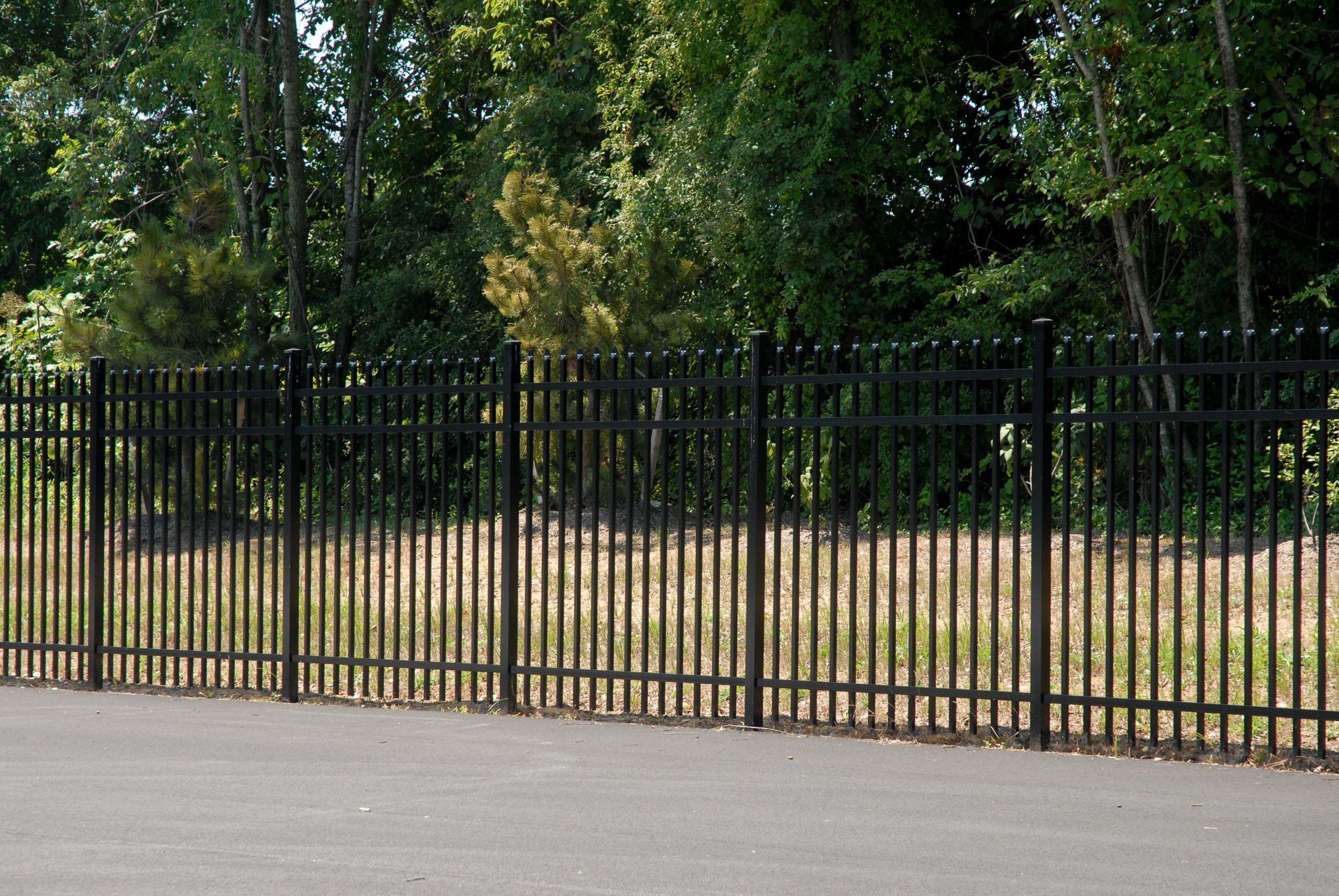
Fence contractors often develop expertise in specific types of installations based on project demand and experience. Common areas of specialization include wood fencing, vinyl fencing, chain link systems, and ornamental iron fencing. Each material requires different installation techniques and long-term maintenance considerations.
Some fence contractors also focus on gate systems and controlled access solutions, including manual gates, sliding gates, and automated gate systems. These services support both residential entry points and commercial perimeter security needs.
Specialization allows a fence contractor to refine skills in specific service areas and deliver more consistent results across similar project types. It also supports efficiency when working with familiar materials and system configurations.
As experience builds in these focused areas, a fence contractor often becomes more comfortable working within repeatable project patterns. This familiarity can help streamline planning and execution, especially when handling similar fence styles or gate configurations across multiple properties.
Maintaining Safety and Compliance Through Structured Practices
Safety is an important part of fence installation and repair work. Fence contractors regularly work with tools, heavy materials, and outdoor environments that require attention to safe practices. Proper handling of equipment and awareness of site conditions helps reduce risks during installation.
Understanding property boundaries, layout requirements, and local project guidelines is also important when completing fence installations. Careful planning helps ensure that fencing systems are installed in appropriate locations and function as intended.
Maintaining organized work practices and following consistent procedures supports both safety and overall project quality.
In addition to these core practices, many fence contractors also develop habits that support a more structured work environment on-site. Keeping materials organized, maintaining clear work zones, and preparing tools in advance can all contribute to smoother daily operations. These habits tend to become more natural over time as experience increases.
Working in outdoor environments also means adjusting to changing conditions throughout the day. Weather, terrain, and site accessibility can all influence how work is carried out, making flexibility an ongoing part of safe and effective installation practices.
Managing Projects Through Operational Planning
Fence contractors rely on clear planning, scheduling, and communication to manage projects effectively. Estimating materials, coordinating installations, and maintaining timelines are all part of delivering completed work efficiently.
Strong client communication supports smoother project execution, from initial consultation through installation and completion. Contractors who maintain consistent communication are better positioned to manage expectations and ensure project details are clearly understood.
Careful organization and follow-through help support ongoing project flow and long-term service relationships within residential and commercial markets.
Beyond scheduling and communication, day-to-day operations also involve managing multiple moving parts at once. This can include coordinating material availability, planning job sequencing, and adapting schedules when project conditions change. These ongoing responsibilities require attention and consistency throughout each phase of work.
Over time, a fence contractor often develops a more structured approach to managing workload demands, helping maintain steady progress across different types of fencing projects.
Adapting Industry Knowledge Through Evolving Materials and Methods
The fencing industry continues to evolve as materials, installation methods, and property needs change over time. Fence contractors benefit from staying familiar with a wide range of fencing styles and system configurations used in both residential and commercial environments.
Material options such as wood, vinyl, chain link, and ornamental iron remain widely used across different property types. Understanding how each material performs helps fence contractors recommend appropriate solutions based on durability, appearance, and intended use.
Adapting to changing project demands and expanding service capabilities allows a fence contractor to remain effective across a variety of installation environments.
In addition to material knowledge, staying adaptable also involves being open to different project layouts and customer needs. No two properties are exactly the same, and each installation may require small adjustments in approach. This ongoing variation helps keep the work dynamic and encourages continued learning through experience.
Successful fence contractors develop their skills through hands-on experience, material knowledge, and steady work across both residential and commercial projects. Over time, ongoing exposure to different installation environments helps refine problem-solving abilities and strengthens understanding of a wide range of fencing systems and property requirements. This combination of practical learning and field experience supports consistent installation and repair work across many types of fencing needs.
According to Forbes Home, a fence contractor must have at least ten years of experience to obtain a license, receive ongoing training, and prove they’re up to date on current trends and practices in the fencing industry. Those interested in learning more about fencing services and capabilities can explore additional information through Hammond Fence Company of Indiana Inc.