July 23, 2026
Ensuring the safety of property has become crucial for businesses seeking to protect assets, employees, and proprietary data. Commercial fencing services play a pivotal role in enhancing property security by providing physical barriers and psychological deterrents against unauthorized access. With a plethora of fencing options available, ranging from traditional chain-link to high-security palisade systems, property owners can tailor their security measures to their specific operational needs. According to Data Intelo, the commercial fencing services market size was valued at USD 35.2 billion in 2023 and is projected to reach USD 57.8 billion by 2032, growing at a CAGR of 5.8% during the forecast period. This significant market growth underscores the critical role that robust perimeter defense now plays globally across corporate and industrial landscapes.
Examining the History and Market Growth of Commercial Barriers
Fencing has been utilized by human civilizations for thousands of years, dating back to times when early societies needed to demarcate and protect territories. Ancient civilizations used primitive barriers like stones and wooden stakes to designate personal plots of land and provide a basic level of security against potential invaders. As communities advanced into the medieval period, the complexity of fencing grew alongside material advancements, introducing stone walls and timber palisades around castles and towns. The industrial era brought about remarkable shifts through the mass production of steel, allowing for the widespread adoption of durable chain-link and wrought iron fences across rapidly expanding urban and industrial centers.
In contemporary society, these systems have evolved to address complex modern vulnerabilities across a diverse range of industries. Today, modern commercial fencing services utilize advanced alloys, composite materials, and vinyl alongside technology integration like automated gates and smart perimeter sensors. This transition from simple boundary markers to intelligent security solutions reflects the growing demands of modern businesses to protect valuable physical assets. Driven by these sophisticated requirements, investing in commercial fencing services has become a fundamental standard for risk management, ensuring that both large industrial compounds and small corporate offices can mitigate external threats effectively while maintaining operational continuity.
Evaluating the Physical Infrastructure Options for Site Protection
Selecting the appropriate physical barrier is a foundational step in securing a facility, and chain-link fencing remains one of the most enduring choices for commercial properties. Known for its cost-effectiveness and low maintenance requirements, chain-link fencing provides a clear physical boundary without obstructing visibility, making it ideal for settings where open camera surveillance is essential. Typically constructed from galvanized or vinyl-coated steel, these fences stand up against environmental wear and tear while providing a reliable, scalable deterrent. For areas requiring higher security levels, palisade fencing offers an imposing barrier featuring vertical steel pales that resist climbing and cutting, making it a preferred choice around industrial estates and sensitive utilities.
For high-risk facilities that require maximum defense postures, specialized commercial fencing services design high-security solutions that integrate physical structures with active digital technology. These systems often utilize electric fencing to deliver a high-voltage shock upon unauthorized contact, or incorporate concertina wire, motion sensors, and alarm mechanisms. High-security solutions are commonly deployed at military installations, government facilities, and research hubs where a perimeter breach could carry catastrophic operational consequences. Conversely, temporary fencing options provide short-term perimeter control for construction sites and public events, offering flexible, rapidly deployable boundaries that restrict access and maintain site order during transient projects.
Analyzing the Multi-Faceted Benefits of Professional Installations
The primary advantage of deploying commercial fencing services is the immediate enhancement of physical security across the property perimeter. Fences form a robust physical deterrent that significantly reduces the likelihood of intrusion, vandalism, and asset theft. By establishing a well-defined boundary, a security fence protects inventory, expensive machinery, and sensitive ground equipment from external liabilities. Furthermore, the visual presence of a heavy-duty fencing system reinforces the reality that facility security is prioritized, which effectively dissuades opportunistic trespassers and reduces the overall security risk profile of the enterprise.
Beyond physical protection, commercial fencing services offer substantial advantages regarding privacy, aesthetic integration, corporate compliance, and financial long-term planning. Modern design innovations offer a variety of styles and materials that complement building architecture while maintaining high functionality, allowing businesses to blend security with professional design harmony. Additionally, many industries mandate specific perimeter security standards to meet regulatory compliance and protect operations; satisfying these standards helps businesses avoid costly fines. Consequently, insurance providers frequently recognize the reduced risk of a fortified perimeter by offering lower insurance premiums and enhanced policy terms to proactive property owners.
Determining the Strategic Selection Criteria for Business Owners
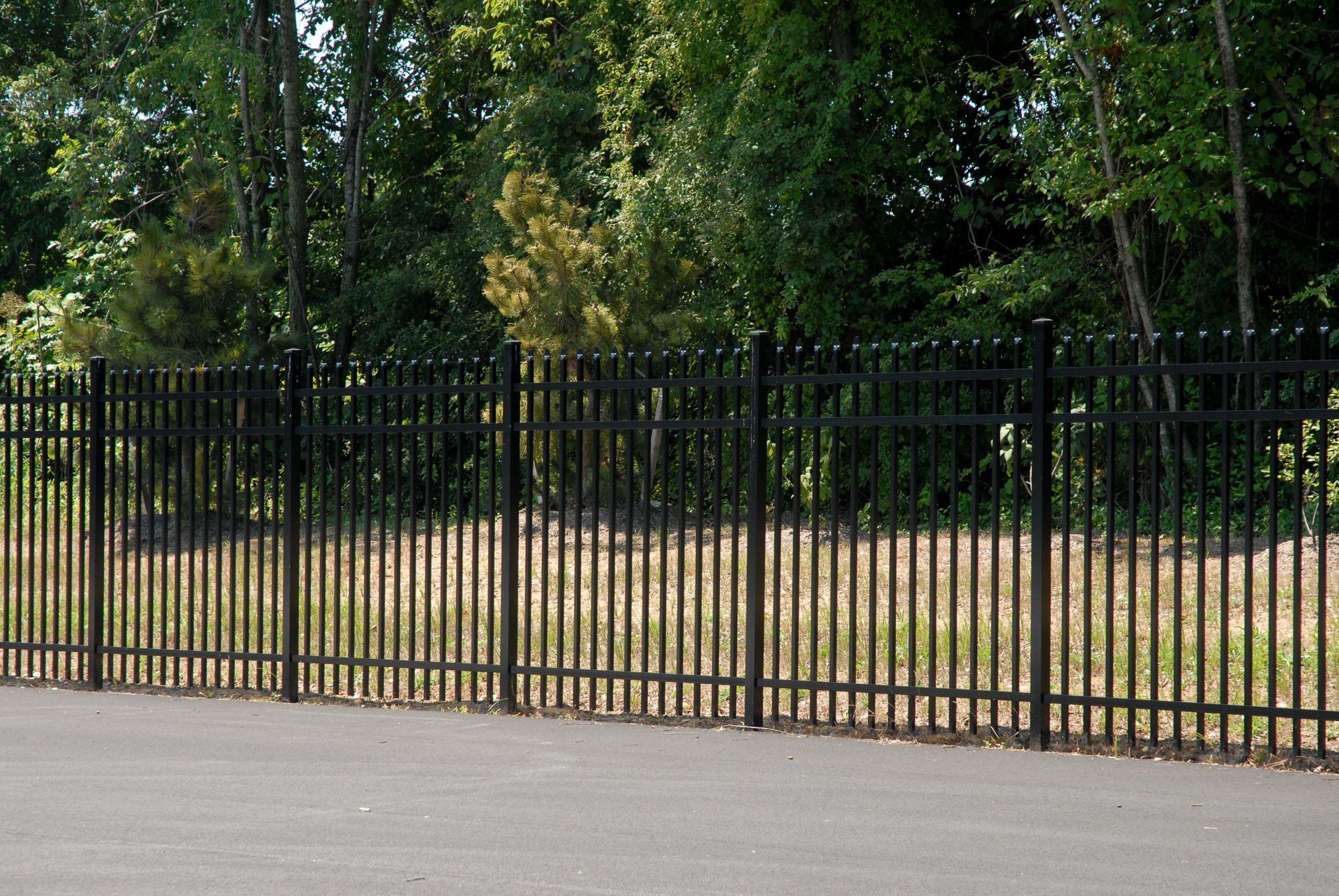
Choosing the ideal perimeter defense requires a thorough assessment of the specific security risks, environmental factors, and landscape terrain unique to the property. Property owners must evaluate neighboring environments, localized threat levels, and future expansion plans to narrow down the material and design specifications required. For instance, while sleek aluminum or ornamental steel fences offer an excellent balance of contemporary aesthetics and strength for corporate offices, heavy-duty industrial sites may prioritize high-gauge chain-link or palisade structures. Conducting a comprehensive needs assessment ensures that the final choice aligns with the business's long-term operational and protective goals.
Financial planning and local legal compliance are equally critical factors that must be navigated during the procurement process. Establishing a realistic budget requires balancing upfront material and installation expenses against the anticipated longevity, low maintenance costs, and reduced liability exposure of the system. Furthermore, commercial installations must strictly adhere to local zoning regulations, height restrictions, and building codes to avoid costly legal disputes or retroactive modifications. Partnering with certified commercial fencing services streamlines this process, as professional contractors bring valuable industry expertise, ensure compliance with municipal regulations, and execute the installation according to precise manufacturing standards for maximum durability.
Integrating Smart Automation and Surveillance into Modern Boundaries
The integration of smart technology is redefining how modern perimeter barriers operate within a comprehensive security infrastructure. By leveraging Internet of Things (IoT) devices, modern fences feature smart sensors that facilitate real-time data exchange with central security monitoring systems. These automated alert mechanisms detect perimeter physical vibrations or cutting attempts, triggering rapid security responses faster than conventional manual patrols. When combined with remote mobile applications, facility managers can monitor perimeter integrity, receive instantaneous anomaly notifications, and manage automated gate entry points from any location, shifting fencing from a passive barrier to an active defense network.
Furthermore, current trends emphasize the dual advancement of surveillance integration and environmentally friendly materials within commercial fencing services. Perimeter structures are increasingly designed to house integrated CCTV cameras and analytics-based movement algorithms, creating a responsive network that films and assesses threats simultaneously. Alongside these digital breakthroughs, the industry is adopting sustainable manufacturing practices by utilizing recycled plastics, eco-friendly composites, and non-toxic metals to appeal to green-certified organizations. Finally, predictive maintenance technologies utilize digital diagnostics to analyze structural wear and environmental impacts, allowing technicians to address vulnerabilities proactively before structural failures occur, ensuring the long-term reliability of the security infrastructure.
Securing a commercial asset requires a strategic blend of physical strength, architectural harmony, and modern technological integration. Implementing high-quality commercial fencing services empowers business owners to protect their investments, satisfy regulatory mandates, and establish a safe environment for daily operations. As security demands become more sophisticated, the role of advanced perimeter defense will remain a fundamental element of successful risk management frameworks. For more information about the services that we offer, reach out to our incredible team at Hammond Fence Company of Indiana Inc. today!